The Next Great Geopolitical Technology Battle May Be Healthcare
China has one of the world's largest cardiovascular disease burdens, a rapidly advancing Digital Human industry, and the ability to scale. Could democratising health information become its next superpower advantage?
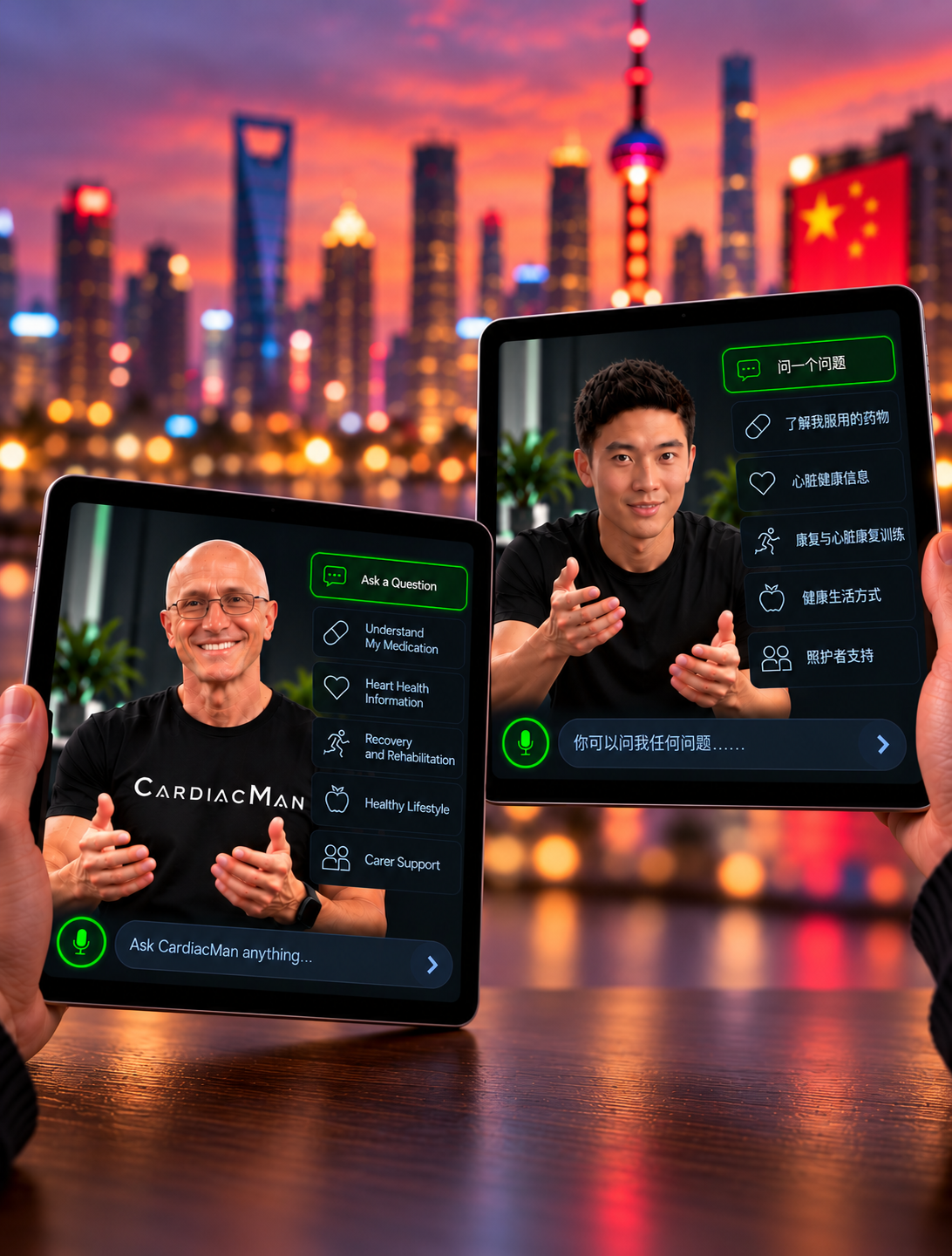
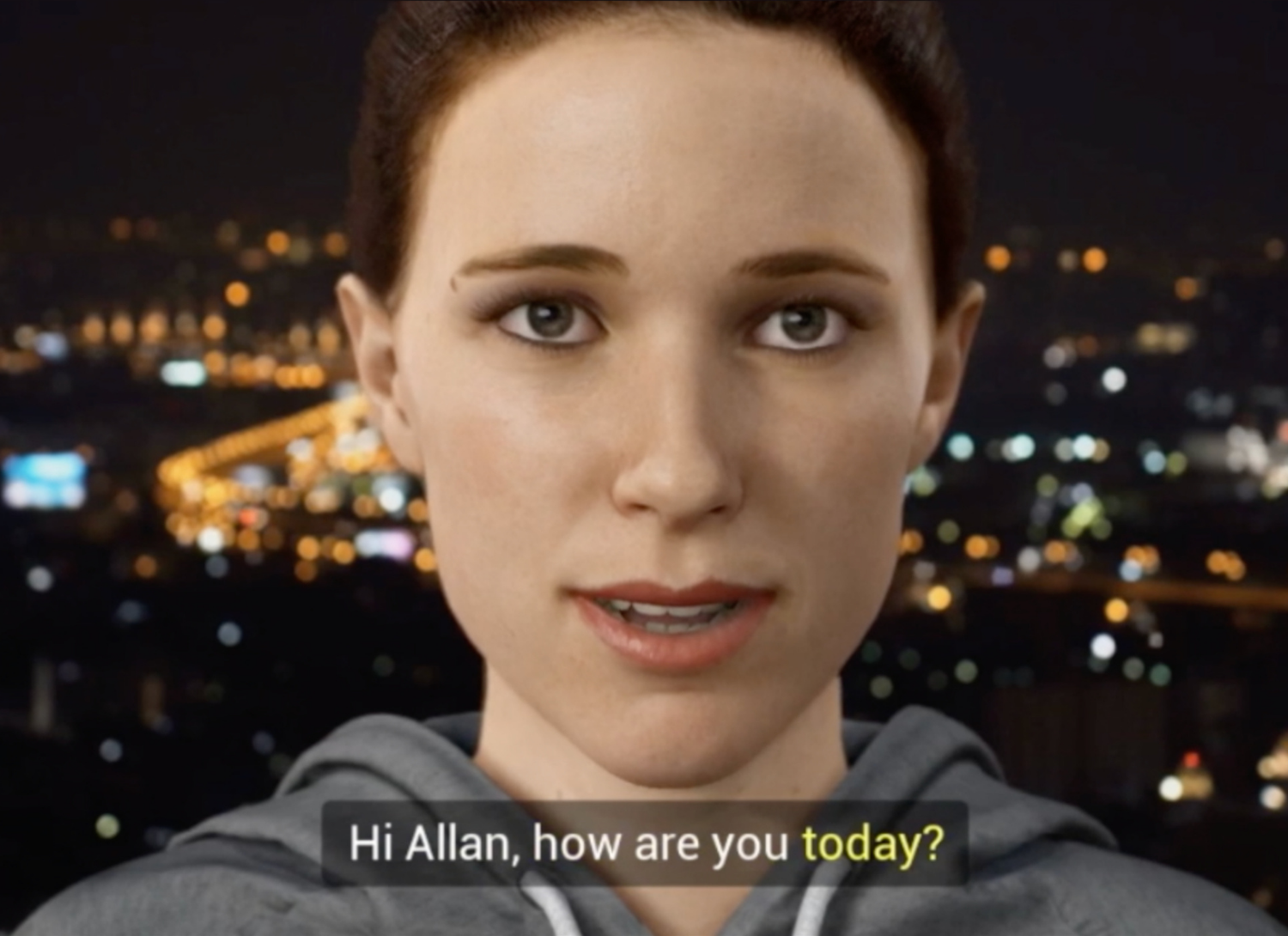
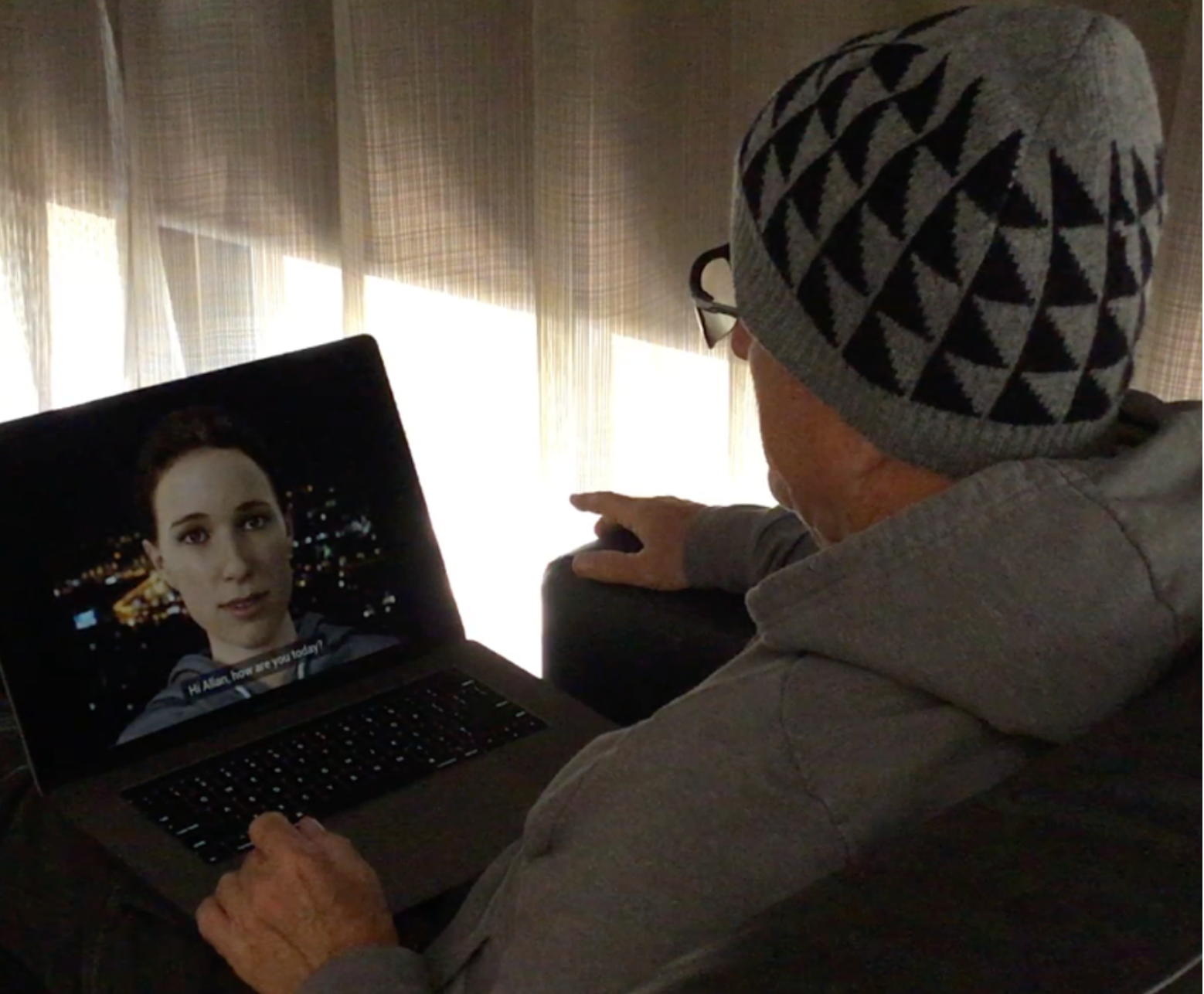
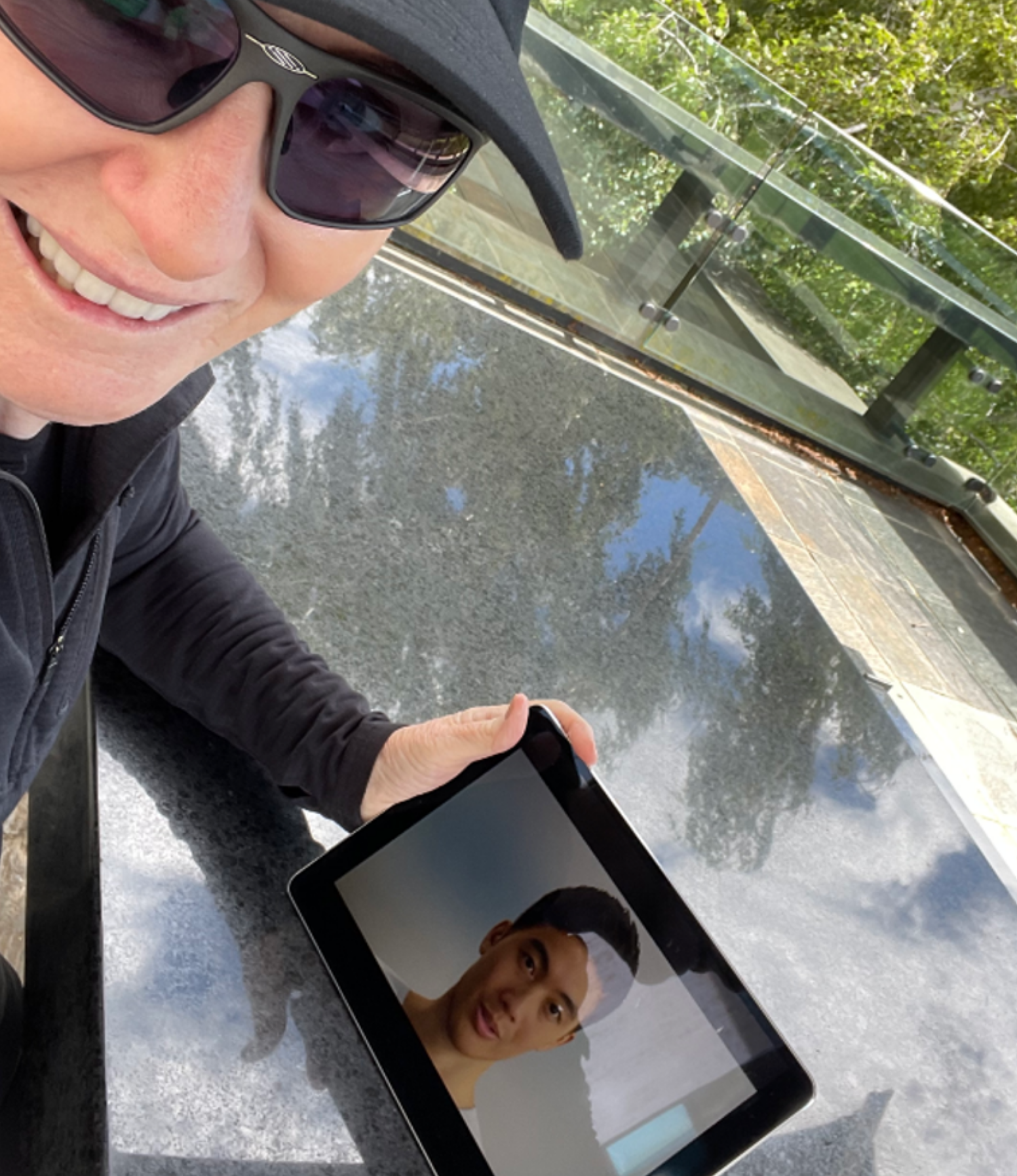
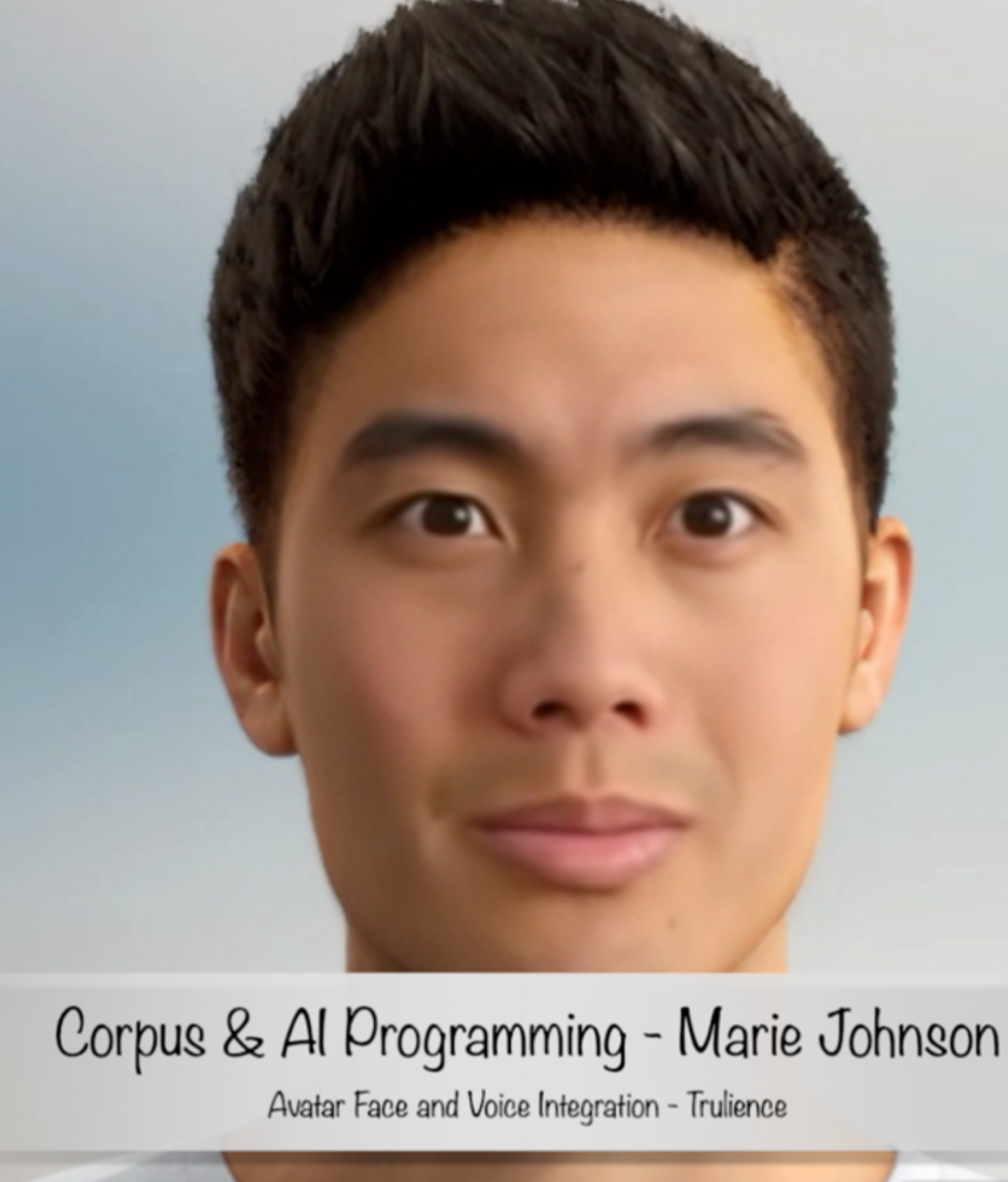
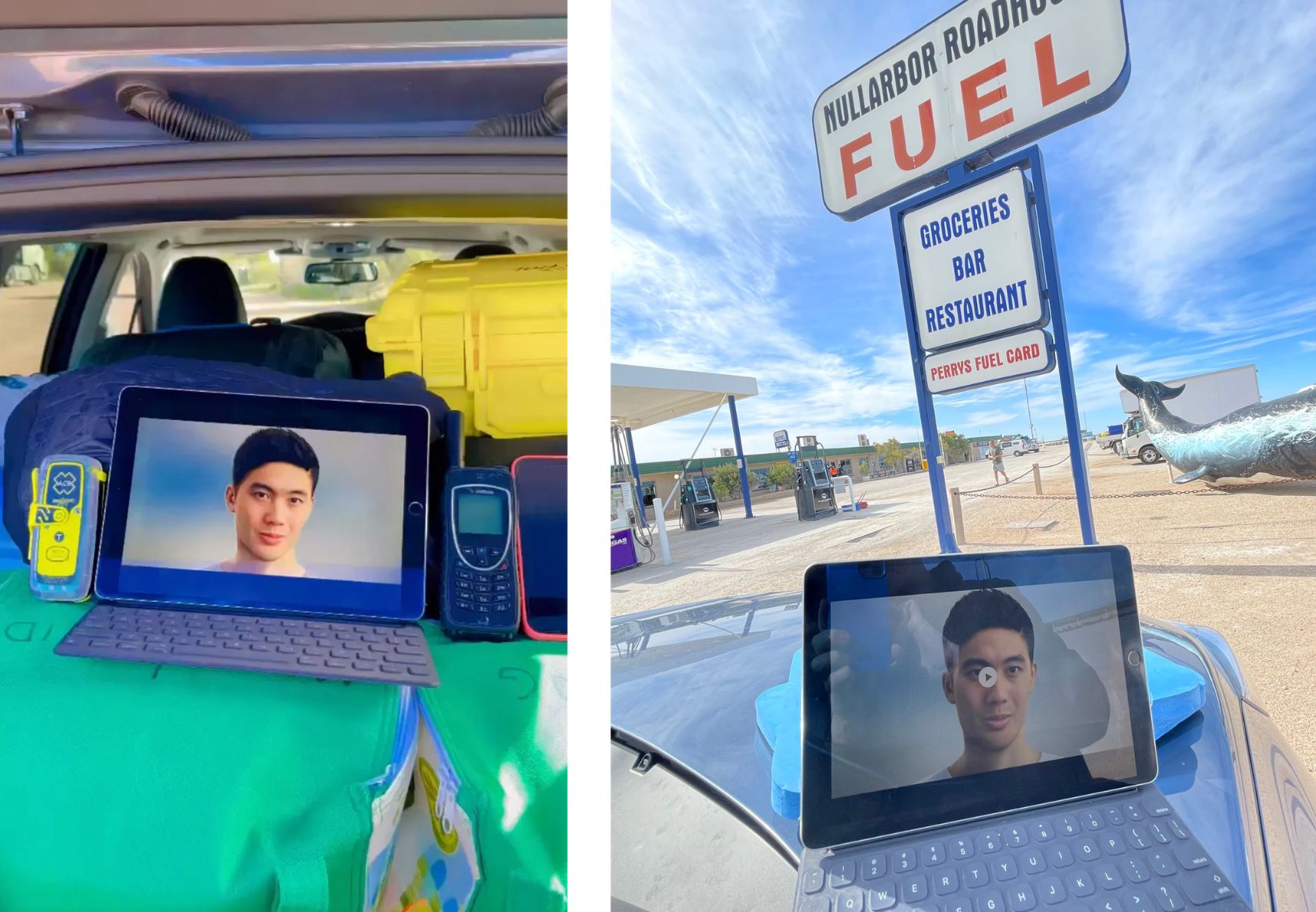
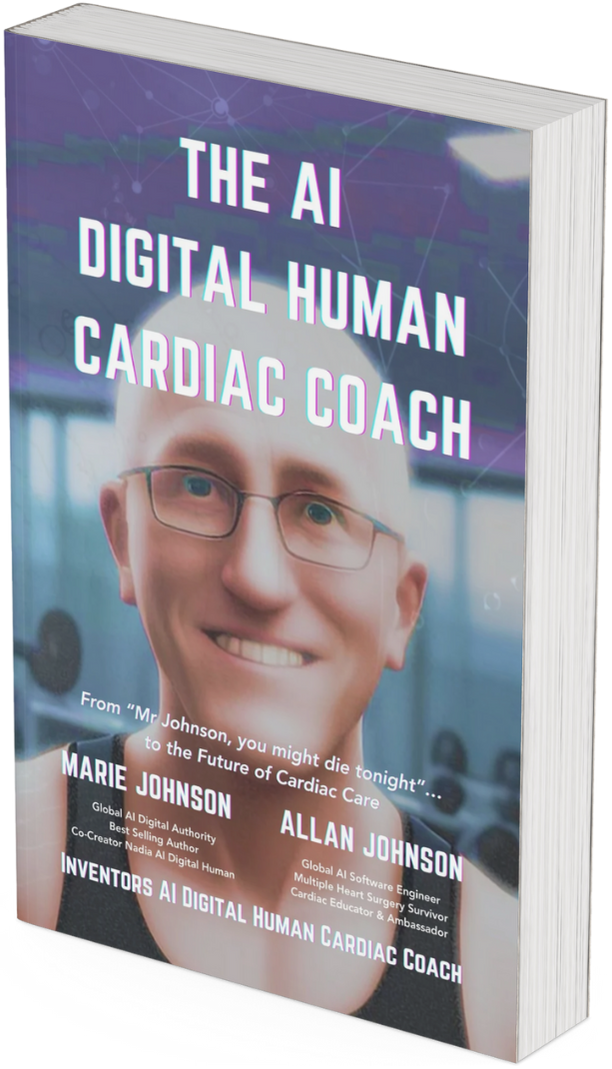
Left: CardiacMan. Right: Avatar Face from Trulience. Illustration only. See gallery Digital Human Cardiac Coach avatars at end of article.
I’ve spent much of my career working on technology that challenges the way governments and institutions deliver services. And one thing I’ve always believed, is that the real power of technology comes when it is democratised.
When it’s in the hands of the person who needs it. Not locked inside an institution. Not dependent on someone else’s opening hours, appointment schedule or administrative processes.
That belief sits at the heart of the AI Digital Human Cardiac Coach, something Allan and I have been developing and writing about for years.
And now, watching what’s happening in China, I think we may be approaching a very interesting moment. Not just for Digital Humans or cardiovascular healthcare, but for the economics of healthcare itself.
People Don’t Live Their Lives in Healthcare Episodes
Healthcare systems are organised around episodes. You see a doctor. You have tests. You receive a diagnosis. Perhaps you’re admitted to hospital. You have treatment, rehabilitation, follow-up appointments. Then you go home.
But your questions don’t stop when the appointment ends.
You might be sitting at the kitchen table looking at a medicine box, wondering what the instructions actually mean. You might be trying to make sense of a discharge letter, or reading something on a hospital website that’s full of words you’ve never heard before. Or you might simply be wondering whether it’s safe to get back to an activity you enjoy.
Who do you ask? And what if you don’t even know what questions you should be asking?
Health illiteracy affects people’s ability to understand information, navigate services, communicate with practitioners and make informed decisions about their own health.
Allan and I know this territory intimately. He’s lived with serious cardiovascular disease for more than two decades, through major cardiac bypass surgeries, stents, rehabilitation, long painful recoveries, and the ongoing business of managing his health.
Over those years, he became extraordinarily knowledgeable about his condition. But that knowledge didn’t arrive in a neat package at hospital discharge.
It came from years of asking questions, researching, learning, frequently frustrated, and progressively becoming much more confident in conversations with his healthcare practitioners: to the point that he (and I) challenged much of the orthodoxy.
We kept asking ourselves a question. What if everybody could have access to that kind of knowledge and support, whenever they needed it?
Not for a few weeks after surgery. For life.
What the Digital Human Cardiac Coach Actually Does
I want to be absolutely clear about something, because it is so often misunderstood. The Digital Human Cardiac Coach is not about diagnosis and treatment. It doesn’t replace doctors, nurses, pharmacists or other health professionals. It’s about helping people understand their health and the information surrounding it.
Imagine a Digital Human Cardiac Coach that lets you photograph a medicine box and ask it to explain what the words mean. Not to tell you what medication to take, or change your treatment. But to explain the information in everyday language, help you understand the terminology and suggest questions you might want to ask your pharmacist or doctor.
Now imagine doing the same with a hospital discharge letter, a complicated health website or a government form. Imagine being able to ask the same question three times because you didn’t understand the first answer. In your own language. At two o’clock in the morning, if that’s when you need help.
No appointment. No waiting room. No embarrassment about asking what might seem like a silly question.
And no need for the technology to be connected to every hospital information system before it can do something useful. We have a habit of turning relatively straightforward opportunities into enormous institutional technology projects. But helping someone understand a paragraph of medical information doesn’t require a hospital-wide systems integration program. It requires accessible, reliable information and a way of communicating it that makes sense to the person asking, whatever their circumstances.
In our book, The AI Digital Human Cardiac Coach, we explain why guided conversations are so important. Simply building a collection of questions and answers isn’t enough. Sometimes people don’t know what they don’t know.
A good coach helps them explore a subject, understand the context and build confidence over time. And this isn’t entirely a future vision.
The Digital Human Cardiac Coach already exists as a Custom GPT Agent, providing conversational access to its knowledge and guidance. What it doesn’t yet have in full, is the Digital Human embodiment - the face, voice and presence that will make the experience more natural and accessible for many people.
The knowledge base and the guided conversations (the corpus) together form the core foundation. The Digital Human layer is one way people might experience them.
Hanna: The Project That COVID Interrupted
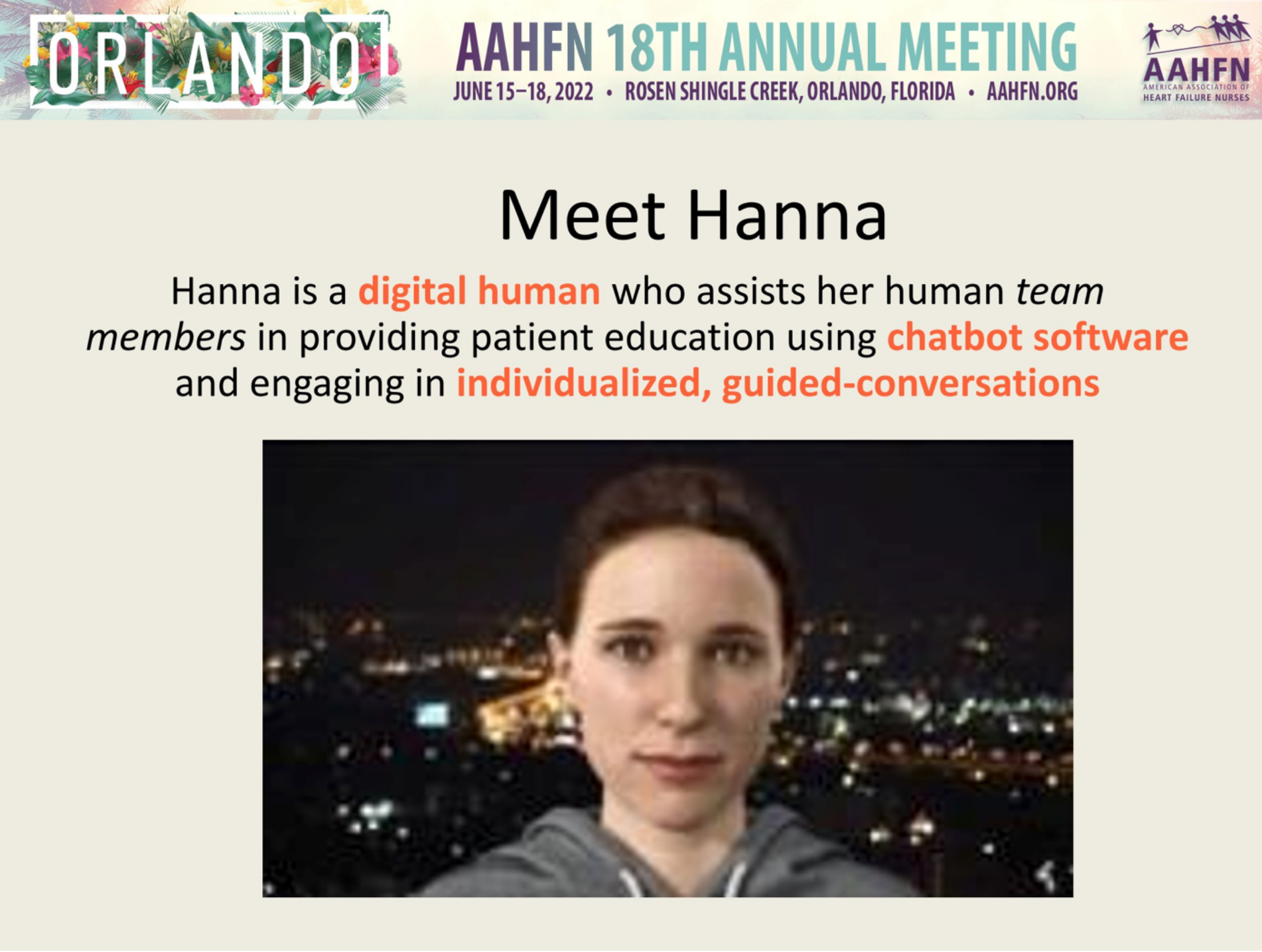
Back in 2019, the Digital Human Cardiac Coach was already being put to work in Wilmington, North Carolina. Dr Chris Hillier, a global innovator and entrepreneur, recognised the potential of what Allan and I were developing and spearheaded a world first proof-of-concept project called Hanna at the New Hanover Regional Medical Center.
Chris had a vision far beyond the technology. He brought people together - hospital leadership, cardiac nurses, researchers, innovators and the wider Wilmington community. He understood that the opportunity was to help people who were struggling to understand and manage their health.
The project was led by Rachel Hayworth, Director of Nursing and Heart Failure Program Manager, working with the hospital’s heart failure team.
And Hanna worked. In the proof of concept, 37 participants provided feedback on Hanna’s educational content. More than 70% commented positively on the information she provided.
One patient said they liked learning from Hanna because what she explained was consistent with what their doctor had already told them. One participant’s feedback even recorded that the patient’s wife and daughter wished they had Hanna at home. Think about that. The patients and their families were telling us exactly where the next opportunity lay.
At home. Throughout recovery, whenever they and their family needed help understanding something.
Rachel subsequently presented the Hanna work at the 2022 American Association of Heart Failure Nurses conference, including the opportunities to improve patient education and allow nurses to spend more time on the work that most needs their professional skills.
The proof-of-concept had demonstrated something important. People were willing to engage with a Digital Human to help them understand their health information.
Then COVID arrived.
Hospital resources were diverted to meet the demands of the pandemic. Cardiac rehabilitation and other services were suspended or severely disrupted in many places around the world.
A global survey subsequently found that apprximately three-quarters of responding cardiac rehabilitation programs had temporarily or completely ceased services during the pandemic.
The Hanna project was caught in that upheaval. It wasn’t a case of the idea failing. The project had produced super encouraging results. But the healthcare system was confronting an emergency unlike anything it had experienced in generations.
And I’ve often thought about the extraordinary irony of what happened.
At precisely the time people were losing access to conventional cardiac rehabilitation and support, we had been demonstrating a technology designed to make information and support available without depending on an appointment, a particular location or the availability of a healthcare professional.
Imagine if the Digital Human Cardiac Coach had already been available to people at home during those years. Someone recovering from heart surgery, unable to attend their normal rehabilitation program, could still have asked questions, understood the information they’d been given and had important messages explained again and again.
What difference might that have made to patients and carers who were isolated, anxious and trying to manage serious health conditions through a pandemic?
We may never know the full consequences of the disruption to cardiac rehabilitation during COVID. Some of those consequences may continue to be felt for decades.
But the experience exposed a fundamental weakness in healthcare delivery. When services are tied to particular buildings, appointments and professional availability, a major disruption can leave people without the support they need.
The Digital Human Cardiac Coach was conceived to address that dependency. And Hanna had already shown us that people wanted it.
The Research Continued
Chris Hillier’s phenomenal contribution didn’t end with Hanna. In 2024, he sponsored two Computing Science Master’s research projects at the University of Southampton in the UK, exploring the Digital Human Cardiac Coach from different perspectives.
The research was undertaken by two brilliant young Chinese international Master’s students. One project examined how AI could support more personalised conversations, making health information understandable and relevant to different people. The other developed an economic evaluation framework, examining how the potential financial impacts of the Digital Human Cardiac Coach could be modelled.
These were exploratory academic studies, rather than clinical trials measuring patient outcomes. But they contributed important thinking to two areas that will determine the future of this capability: personalisation and economics.
I was enormously impressed by the analytical skills and commitment of these young researchers. And I found it particularly interesting that both came from China.
In our book, The AI Digital Human Cardiac Coach, I commented on China’s enormous cardiovascular disease burden and expressed the hope that their research might generate interest in their home country.
Looking at what’s happening in China’s Digital Human industry today, that connection feels more relevant than ever.
The Economics of Helping People Before They Become Patients
We tend to calculate the cost of cardiovascular disease by looking at what happens after something goes wrong. Hospital admissions. Surgery. Medication. Rehabilitation. Readmissions. Long-term care. Those costs are enormous.
But a systemic cost factor, mostly ignored because it’s not an “episode”, is health illiteracy.
Health illiteracy isn’t simply a problem of people struggling to understand medical information. It’s an enormous economic burden. In our book, we cited estimates attributing more than US$29 billion annually in cardiovascular healthcare costs in the United States alone to poor health literacy.
When people cannot understand medication instructions, discharge information or cardiac rehabilitation guidance, the consequences can include avoidable complications, hospital readmissions and escalating healthcare costs. Multiply that across populations, and health illiteracy becomes not just a healthcare challenge, but an economic one.
But what about the economic value of helping someone avoid a cardiac event in the first place? Helping people understand and manage risk factors earlier in life? Or helping someone who has already experienced a cardiac event understand their recovery, follow their practitioner’s advice and stay engaged with rehabilitation?
And what about the family members and carers who spend years helping someone navigate all of this? There are two related opportunities here.
Primary prevention: supporting people before they experience cardiovascular disease.
Secondary prevention: helping people who already have cardiovascular disease reduce the risk of further events and complications.
The Digital Human Cardiac Coach is not itself a medical intervention. Its contribution is to help people access and understand information through natural conversations; build confidence; and participate in managing their health.
If that support improves health literacy and helps people act on appropriate professional advice, there may be significant downstream benefits. But there is also value in the service itself.
Consider what it means for an older person to understand a letter they’ve received from a hospital. Or for someone living in a rural community to be able to ask questions in their own language. Or for a carer to get a clear explanation of unfamiliar terminology.
We don’t need to wait for a hospital admission to be avoided before we recognise the value of those experiences. And the COVID experience adds another dimension to the economics.
What happens when cardiac rehabilitation services are interrupted, sometimes for extended periods? What are the consequences for people whose recovery is delayed, whose confidence deteriorates, or who lose access to the education and encouragement that supports their rehabilitation?
We may be dealing with the consequences of those interruptions for years to come.
What is the economic cost of building healthcare systems in which access to essential information and support can disappear when the system itself is under pressure?
Cardiovascular disease affects families, employment, productivity, independence and quality of life. Its consequences reach far beyond hospital budgets.
In Chapter 5 of our book, The Economic Model and Reimbursement Codes, I examined the size of this problem, including healthcare costs, productivity losses, health illiteracy and the opportunities for a different approach.
The bigger question was never simply how much money a Digital Human Cardiac Coach might save a hospital.
It was what might become possible if knowledgeable, personalised support could be made available to very large populations, at a fraction of the cost of traditional one-to-one service delivery.
And Then There’s China
In our book, which was published in March 2025, I devoted attention to China’s cardiovascular disease burden. I cited estimates of approximately 330 million people affected by cardiovascular disease, along with figures showing that CVD accounted for a substantial proportion of deaths in both rural and urban China.
Those were the published estimates available to us at the time, and they illustrated the scale of the challenge.
China’s cardiovascular disease burden is not just a healthcare problem. It’s an economic problem, a national strategic problem, a demographic problem and a problem for families and communities.
Now consider what’s happening with Digital Humans. Marcus Endicott, who has researched the development of virtual beings and Digital Humans for years, has been documenting the extraordinary pace of change in China. Recent reporting, including an October 2026 ABC News article and Marcus’s subsequent analysis, describes developments in the commercial recognition and licensing of Digital Humans.
China is developing not only the technology, but also parts of the commercial framework around it. And this is where I think things become particularly interesting.
China is building the infrastructure to mainstream Digital Humans as an industry. The challenge for healthcare is to build the knowledge, economic and service models to mainstream Digital Humans as a service.
We already know that Digital Humans can appear on screens, speak, answer questions and interact with people. The opportunity is to use those capabilities for something that could have an enormous social and economic impact. Helping people understand their health.
Imagine the cumulative effect of making understandable cardiovascular health information available to hundreds of millions of people, whenever and wherever they need it. Not just in major cities. Not just to people who can afford private services. Not just during a hospital stay.
Throughout life. The possibility is extraordinary.
The Next Geopolitical Technology Battle May Be Healthcare
I’ve watched China for years. One thing I’ve learned is that you don’t necessarily have to invent a technology to become the country that takes it to another level. You adopt it. You adapt it. And then you scale, scale, scale.
Now consider China’s enormous cardiovascular disease burden, alongside its rapidly expanding Digital Human industry.
I believe China will get in front of this. Not because it invented the Digital Human Cardiac Coach, but because it has both the economic imperative and the technological capability to take the idea to a scale we have only dreamed about.
Imagine a Digital Human Cardiac Coach available to every Chinese citizen. In their own language. On their own device. Available 24 hours a day, seven days a week. Not diagnosing or treating them, but helping them understand their health, navigate information, ask better questions and take greater control of their lives. Imagine the cumulative economic and social impact if that helped millions of people better manage their cardiovascular health.
I’d be delighted if China led that breakthrough.
Allan and I, together with Dr Chris Hillier and the researchers who contributed to the Digital Human Cardiac Coach, have played our small part in demonstrating what’s possible. If China takes the idea and runs with it, wonderful. The point was always to get this capability into people’s hands.
But here’s the question for Western governments.
What happens if China succeeds in democratising AI-powered, through-life health support while Western countries remain preoccupied with institutional systems, procurement processes and arguments about who controls the technology?
What happens to healthcare costs, workforce productivity, healthy ageing and economic competitiveness if one country finds a way to help millions of its citizens stay healthier for longer? And what happens when other countries begin asking why their citizens don’t have access to the same capability?
We talk endlessly about the geopolitics of AI. Semiconductors. Sovereign capability. Data centres. Large language models. Perhaps we’re looking at only part of the picture.
The next great geopolitical technology contest may not be about who builds the most powerful AI. It may be about which countries use AI to build healthier populations and stronger economies.
And if China gets there first?
Will the West wake up before the economic consequences become impossible to ignore?
AI Statement:
And for those who feel compelled to run this article through an AI-text detection tool, I say — go for it.
What you're reading draws on nearly 80 years of combined professional technology experience (including AI) between CardiacMan and me. Twenty years of lived experience as a heart patient and carer. Ten years designing and building the Digital Human Cardiac Coach. Our 300+ page book, The AI Digital Human Cardiac Coach — written entirely by humans. And the scientific and research contributions of some extraordinary minds, several of whom are acknowledged in this article.
Yes, I've used AI to help shape and refine this article. Why wouldn't I? I've spent much of my professional life working with technology to extend what's possible.
But here's what your AI text detector won't find.
The decades of human endeavour. The lived experience. The intellectual curiosity. The imagination. The creativity. And the sheer determination to turn an idea into something that could change millions of lives.
You can't detect that with an algorithm.